
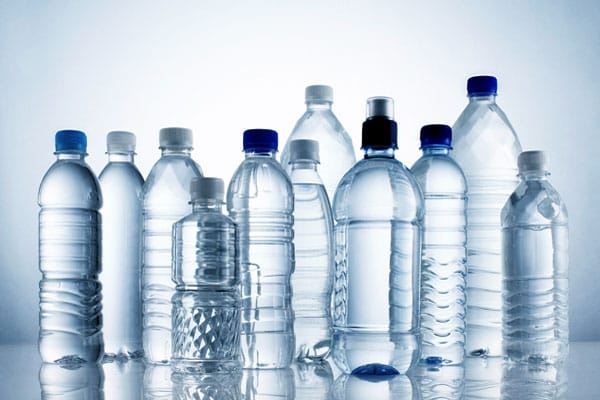

La regulación y políticas de costes hacen que las botellas de plástico sean cada vez más delgadas.
De acuerdo, es posible que ya me hagan falta unas vacaciones, porque… ¿Qué tendrá que ver una botella de plástico y el monte Everest? Pues un estudio serio de una empresa de ingeniera británica.

BMT es una empresa con sede en Belfast que lleva años ayudando a fabricantes y envasadores de bebidas a aligerar sus envases PET y recientemente han hecho un experimento (curioso) pero muy revelador. Simularon subir una botella de plástico, con agua dentro, a la cima del monte Everest y luego fueron descendiendo con ella progresivamente hasta el nivel del mar. ¿Qué fue de la botella? pues que al llegar abajo, la botella se había deformado sin apenas haberla tocado. La explicación es la presión atmosférica.
A ver, esto que puede parecer un experimento un poco friki realmente no lo es. Las botellas de plástico (el famoso PET, el mismo con el que se hace casi todo lo que bebemos) cada vez pesan menos, por regulación y porque menos plástico es menos coste y menos residuo. Pero cuanto más fina haces la botella, más fácil es que se deforme. Ejemplo que te puede pasar ahora en verano, llenas una botella arriba en la montaña, donde hay menos presión de aire, y cuando bajas a donde hay más presión, el aire de fuera empieza a «apretar» la botella hacia dentro. Es relativamente fácil que la botella se abolle o directamente colapse.
Para probar esto, BMT simuló ese viaje extremo en un laboratorio, de la cima del Everest al mar, que es casi la diferencia de presión más bestia que te puedes encontrar en la vida real. Y descubrieron algo que no era tan obvio: La cantidad de líquido que metes dentro de la botella importa muchísimo más de lo que parece. Dejar un poco de aire arriba hace que la botella aguante peor. Llenarla casi hasta arriba, a un 97%, resultó ser el punto perfecto, la botella apenas se abolla y solo se pierde un poquito de volumen, un 1,2%.
Así que… la solución para hacer botellas más finas y ecológicas pasa, en parte, por poner más líquido dentro de cada una.